How to Write a Coffee Shop Business Plan: The Complete Guide
The complete guide to writing a coffee shop business plan that gets you funded: all eight parts in order, why templates fall short, and how a food truck or coffee cart plan differs.
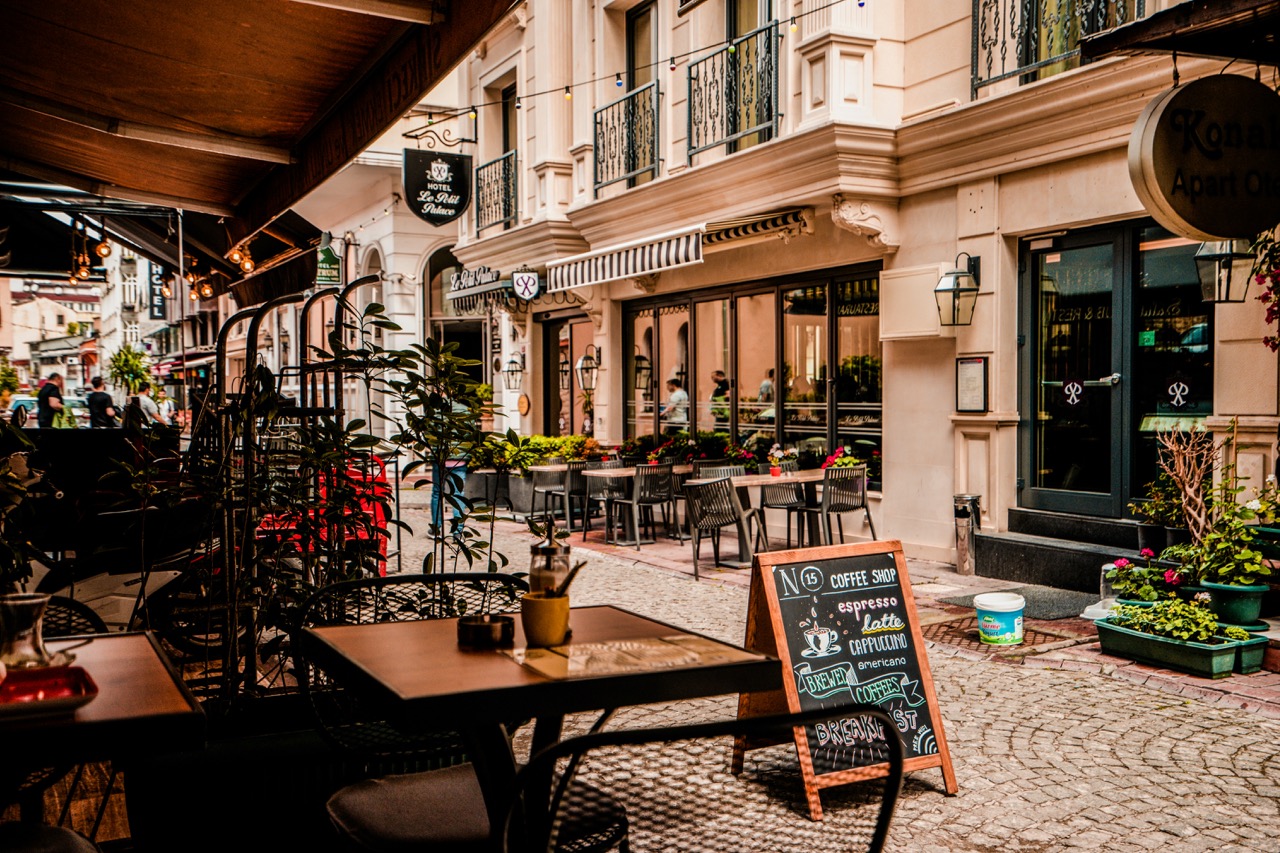
This is the hub for my series on writing a real coffee shop business plan that will actually get you funded, one a lender or investor will want to back. Each part below links to the full post.
A coffee shop business plan that attracts lenders is not a template you fill in. It is a custom, data-driven document built from your own research: your menu, your market, your competition, your brand, your operations, your marketing, and detailed financial projections you can defend. This series walks you through building each piece, in the order that makes the work easiest, and ends with the executive summary that goes at the front of the finished document.
If you're not sure where to begin, start at Part 1 and work forward.
Why a Template Won't Get You Funded
If you've searched for a customizable coffee shop business plan template, I understand why. A template feels like a shortcut, and there are plenty to buy. The problem is that a template and a plan that attracts a lender don't belong together.
A lender isn't looking for a document with the right headings. A lender is looking for evidence that you've done the work: a real read on your market, a specific competitive gap, operations built around actual volume, and detailed financial projections that hold firm when someone pushes on them. A template gives you a place to put information. It can't give you the information.
That's why this series is built the way it is. The structure is the easy part. What takes real effort is the research, and that's where the plan earns its credibility. The prompt in Part 8 will help you assemble the finished document, but it's only as strong as what you put into it. So here's how to build the plan that does get you funded.
The Complete Series, Start to Finish
Part 1: Menu and Market. Where every plan starts. You build your menu and research the market you're opening in, because everything else in the plan depends on those two things.
Part 2: Competitive Analysis. How to study the shops around you and find the gap yours can fill, so your plan shows a lender exactly where you fit.
Part 3: Building Your Brand. How to build a brand character that guests can feel, and why it becomes a working filter for the decisions you make later.
Part 4: Legal Structure. Choosing how the business is set up and owned, including what to put in writing when you take on a partner.
Part 5: Your Operations Plan. Hours, service model, and staffing, built around real transaction volume instead of guesses.
Part 6: Marketing and Sales Strategy. How guests will find you before and after you open, and what to document so a lender can see it's more than hope.
Part 7: Your Financial Plan and the Ask. How to develop your financial projections and build a phased, conservative funding request you can defend.
Part 8: Your Executive Summary. The page that goes first in the document but gets written last, plus a prompt that pulls the whole plan together.
Why I Teach It in This Order
A finished business plan reads in one order, and it's easiest to write in another. The executive summary is Section 1 of the document, but you can only write it once everything else exists. In the same way, your financial plan needs your menu, your market, and your operations to be real before the numbers mean anything.
So this series follows the order that makes the work easiest. By the time you reach Part 8, you aren't writing from scratch. You're distilling work you've already done.
Coffee Shop vs. Food Truck: How Different Is the Business Plan?
Some of you are weighing a brick-and-mortar shop against a coffee cart or truck, so I want to address it directly. The two plans differ somewhat, but less than you might expect.
Here is where they differ. Operations are different. You aren't signing a lease, and your startup totals will probably look different too. The biggest difference is how you prove volume.
With a brick-and-mortar shop, you study a specific location to estimate how many people you can serve. A coffee cart or truck can't do that, so the burden of proof shifts to you. A lender needs to see an exact plan. That could mean committed locations that want you on a regular schedule and have high traffic. If you're going to be mostly B2B, serving corporate offices, or doing weddings and events, you need to show that you're already connected to the event coordinators and companies asking for this. You want to be able to say: this is how often they'd book us, this is about how much they spend, this is how many guests they serve, and this is how often. That's how you build assurance of volume when you aren't tied to a location.
Almost everything else carries over, or can be gently adapted. Scheduling still follows volume. Your cost of goods, labor, and overhead work the same way. Overhead just looks different: instead of a lease, you might have a vehicle payment and gas. Any reasonable person can see where those pieces trade places.
Whichever route you take, you need a great business plan, and this is how you write one.
Where to Go From Here
Start with Part 1 and work through each part in order. If you've already thought through some of this, don't jump ahead to where you think you are. Still start at Part 1, and double-check the work you've done against what's in these posts, because this is what will get you funded. Having done some of the work doesn't mean it's been done correctly, and each post links back to the research behind it if you need more depth.
Writing it all by hand takes real time. Inside the How to Open a Coffee Shop Masterclass, your menu, your research, your financial model, and the rest of your plan live in one place from the start, so a complete business plan comes together automatically, without re-entering anything.
It's not open yet, but you can join the waitlist now, and everyone on the waitlist gets an exclusive discount when it launches.
Frequently Asked Questions
How do you write a coffee shop business plan that attracts lenders?
Build it from your own research instead of a template. Lenders want to see a defined market and competitive gap, operations built around real transaction volume, and detailed financial projections that stay viable even when your numbers come in below your estimates. A phased, conservative funding request that traces back to that research is what makes the plan credible.
What should a coffee shop business plan include?
A complete plan covers an executive summary, company description, market analysis, products and services, marketing and sales strategy, operations plan, management summary, financial plan, and funding request. This series covers each of them, starting with your menu and market and finishing with the executive summary.
Where can I get a customizable coffee shop business plan template?
Templates are widely available, but a template only gives you headings to fill in. A plan that earns a lender's attention and gets you funded has to be built from your own market research, competitive analysis, operations, and detailed financial projections. The most useful approach is to follow a structure like this series and fill it with your own real data.
Is a coffee shop business plan different from a food truck or coffee cart business plan?
Somewhat. Operations, startup costs, and overhead differ, and you aren't signing a lease. The biggest difference is how you prove volume: instead of studying one location, you show a lender committed regular locations, events, or corporate clients and how often and how much they would spend. Scheduling, cost of goods, and labor work much the same way.
What order should I write a coffee shop business plan in?
Start with your menu and market, then your competitive analysis, brand, legal structure, operations, marketing, and financial plan, and write the executive summary last even though it goes first in the finished document. Writing in that order means each section draws on work you've already done.
Ready to build this the right way? Join the How to Open a Coffee Shop Masterclass waitlist for the full tool that turns everything in this series into a finished business plan.